
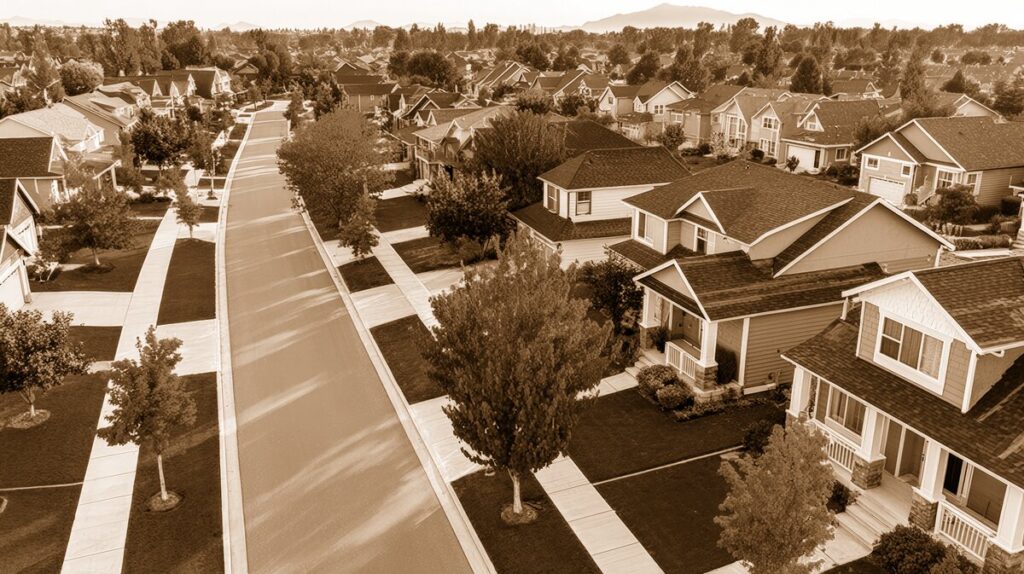
Nestled in the heart of Louisville’s east side, the Rockcreek Lexington Road neighborhood is a tapestry woven from generations of history, vibrant growth, and a strong sense of community. This area, gracefully bounded by Beargrass Creek, Seneca Park, and the elegant stretch of Lexington Road itself, is a cornerstone of the city’s heritage. Residents and visitors alike find charm in its leafy streets, classic homes, and the narrative that lingers in each landmark. Let’s take a deeper look at how Rockcreek Lexington Road came to be, and why it continues to hold such special meaning for so many.
The Origins of a Neighborhood
The story of Rockcreek Lexington Road begins with the very landscape that defines it. In the early 1800s, the land here was farmland and open woodland, nourished by Beargrass Creek and intersected by the paths that later became some of Louisville’s most significant roadways. Lexington Road itself—then known as the Shelbyville and Lexington Turnpike—was a main route for cattle drivers, traders, and travelers heading between Louisville and the Bluegrass region.
The neighborhood’s name, “Rockcreek Lexington Road,” pays homage to both its natural and constructed roots. Rock Creek, a tributary of Beargrass Creek, provides both boundary and identity, its gentle current tracing the edge of the neighborhood. The other half of the name references Lexington Road, a vital historic artery that has connected communities for over a century. Over time, small farms and estates clustered near these water and roadway resources, with subdivision and development following in the early 20th century.
Key Milestones in Neighborhood History
Rockcreek Lexington Road's development paralleled the growth of Louisville itself.
- Early 20th Century Expansion: In the 1920s and 1930s, as the city expanded eastward, landowners began selling parcels along Lexington Road. Developers envisioned picturesque neighborhoods full of tidy lawns and tree-lined streets.
- Postwar Era (1940s–1960s): After World War II, returning veterans and growing families created a surge in new construction. Brick Colonials, Cape Cods, and ranch homes popped up along Primrose Drive, Sils Avenue, and Newbern Avenue. Happy childhoods played out near the creek beds and in the developing parks.
- Suburban Maturity: By the 1970s and 1980s, Rockcreek Lexington Road had established itself as a stable, sought-after enclave. Residents rallied to form the Rockcreek Lexington Road Neighborhood Association, promoting beautification, safety, and historical preservation.
Iconic Streets and Landmarks
What gives Rockcreek Lexington Road its unmistakable character isn’t just its story, but its scenery.
- Lexington Road: This historic thoroughfare still conjures the feeling of “old Louisville” with its canopies of mature oaks and distinctive lampposts.
- Seneca Park: The neighborhood’s western edge is bordered by one of Louisville’s beloved Olmsted parks. Designed by the firm of Frederick Law Olmsted, Seneca Park opened in 1928 and has remained a green oasis for generations of walkers, joggers, and families.
- Beargrass Creek: Winding through the neighborhood, Beargrass Creek provides a wildlife corridor and has inspired several environmental stewardship groups committed to its health.
- Sacred Heart Schools: Anchoring the southeastern end, Sacred Heart Academy and its sister institutions have educated local students since the late 1800s. The historic campus on Lexington Road is a landmark in both architecture and community contribution.
Evolving with the Times
Rockcreek Lexington Road hasn’t simply stood still. Like the flow of Beargrass Creek, this neighborhood’s story is one of movement and adaptation.
In the 1990s and 2000s, families invested in remodeling older homes, adding modern amenities while preserving charming facades. Neighborhood events—yard sales, Easter egg hunts, and clean-up days—wove neighbors together. The creation of bike paths and greenways offered new ways to experience the scenery, and a renewed interest in walkability made the area even more desirable for young professionals and empty nesters alike.
Today, you’ll find a patchwork of long-term residents and newcomers, all drawn by the same qualities: friendly sidewalks, proximity to parks, and an enduring sense of place. The neighborhood remains a prime example of how Louisville’s historic districts can honor their past while welcoming the future.
A Sense of Community
Perhaps above all, what sets Rockcreek Lexington Road apart is its “small-town-in-the-city” spirit. People look out for one another, gathering for neighborhood picnics or pausing to chat during a stroll down Rainbow Drive or Jarvis Lane. Local volunteers spruce up median gardens and advocate for responsible development, ensuring the area’s charm won’t be lost to time.
Residents still take pride in the markers of the past—century-old trees, stone bridges, and storybook homes—but they’re equally proud of their community’s resilience and warmth. Whether you’re walking to Seneca Park, admiring the Spring blooms, or catching a Little League game at nearby fields, you’re experiencing the best of Louisville living.
The Story Continues
Rockcreek Lexington Road is more than a place on a map—it’s a living chronicle, shaped by its geography, its people, and their shared memories. As it continues to evolve, its roots hold fast, grounded in history and nourished by a community that cherishes both where it’s been and where it’s going.
If you’re lucky enough to call it home, or even to meander its tree-lined avenues on a sunny afternoon, you’ll understand why so many choose to put down roots here—and why its story remains so compelling.